Not Every Couples Therapist Is the Right Couples Therapist
What to look for, what to question, and why the person you choose matters.

Choosing a couples therapist is not quite as simple as finding someone with availability and booking an appointment.
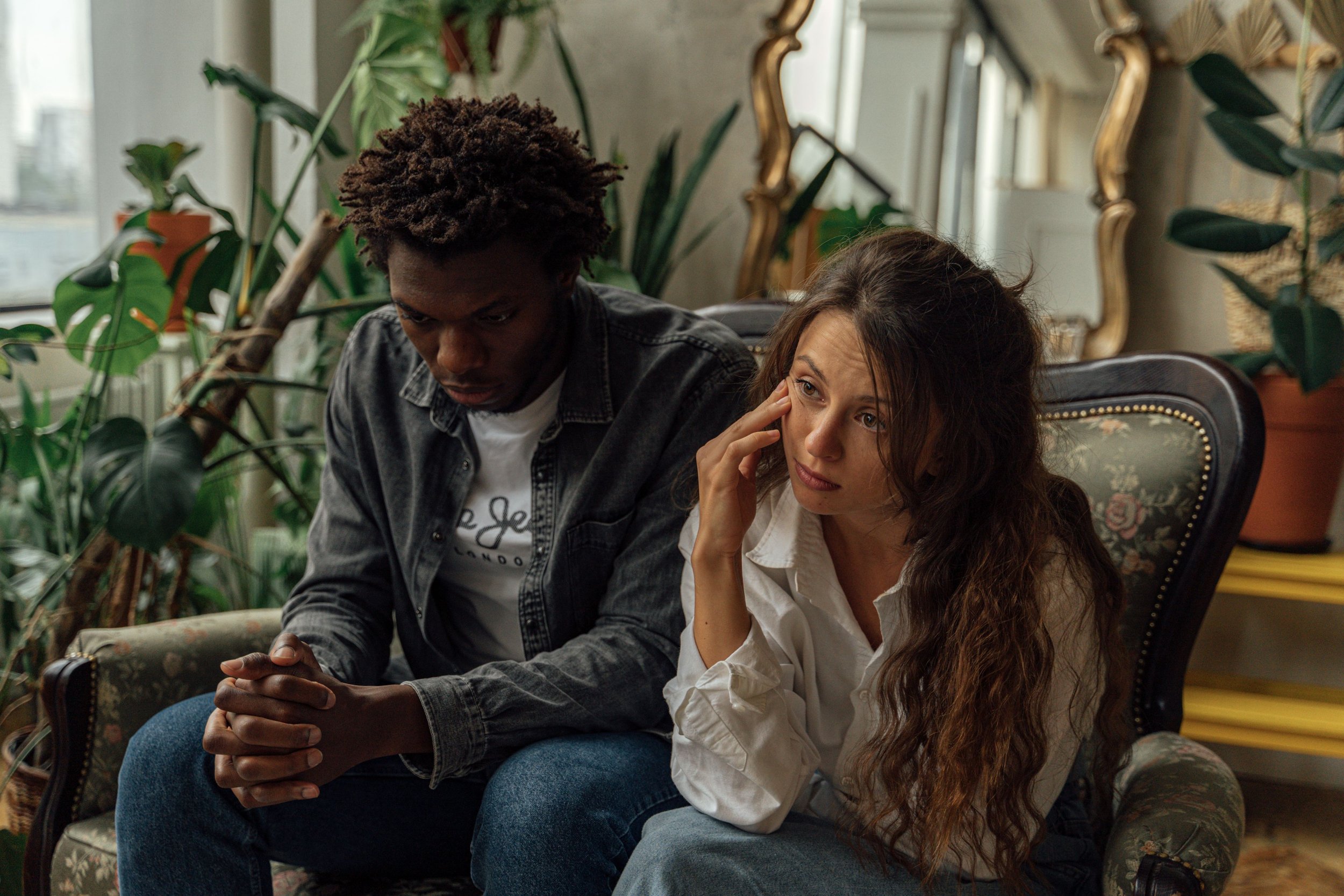
You’re bringing someone into the parts of your relationship that you probably don’t talk about with many other people. The same argument you’ve had a hundred times. The conversations that never seem to go anywhere. The feeling that one of you is always trying to talk while the other shuts down. The distance, the frustration, the lack of intimacy, or simply wondering, “How did we even get here?”
That grants a therapist a level of intimacy that you probably wouldn’t grant most people, so every couple deserves the respect and professionalism that this requires.
And while many therapists do wonderful individual work, couples therapy is its own area of practice. Working with two people in the room requires a particular understanding of relationships, attachment, conflict, emotional regulation, power, safety and the patterns that develop between people.
The right couples therapist can help you understand what keeps happening between you.
The wrong one can leave you feeling more blamed, more misunderstood, or more convinced that your partner is the problem. Or you can walk out of the room just straight up feeling like this was the worst idea ever.
So, how do you tell the difference?
Couples therapy is not just individual therapy with two chairs

One of the first things worth understanding is that couples therapy is not simply individual therapy conducted with both partners present.
The therapist is not there to decide who is right, who is wrong, or which partner needs the most fixing. Although it probably would feel really good to be told you are right and none of this is your fault.
They are working with the relationship itself.
That means understanding the cycle and pattern itself. The way one person pursues connection while the other withdraws. The way one partner becomes louder because they feel unheard, while the other becomes quieter because they feel overwhelmed. The way a disagreement about dishes, money, sex or parenting can actually be carrying years of hurt underneath it.
Often, the argument is not really about the argument. Most couples look at me really confused the first time I say this.
A skilled couples therapist knows how to look beneath the presenting conflict and begin asking:
What is happening here?
What is each person experiencing?
What is motivating this behaviour?
What triggers or past experiences are influencing this reaction?
What does each person need in the disagreement?
That is very different from simply asking both people to take turns speaking.
So let’s get into it!

Green flags: what to look for in a couples therapist
We hear a lot about “green flags” in relationships these days. However, when it comes to choosing a couples therapist, the green flags are a little less Instagrammable.
A good couples therapist is not necessarily the person who makes you both feel amazing every session. They are not necessarily the therapist who agrees with you, validates everything you say, or makes you feel like your partner is finally being exposed for what they have done. The actual green flags are often much more subtle!
They can make room for both of you without losing sight of what matters
You should not feel like your therapist is secretly keeping score.
They should be interested in understanding both people's experiences, while still being able to recognise when something is harmful, unfair or needs to be addressed.
That means you can feel heard without the session becoming a competition over who has suffered more.
They help you understand the pattern, not just unpacking the argument
A green flag is a therapist who can help you move from:
“They never listen to me.”
to:
“When I feel unheard, I push harder. When they feel criticised, they shut down. The more I pursue, the more they withdraw, and the more they withdraw, the more desperate I become to be heard.”
That is where useful work begins.
Not because either person is suddenly the villain, but because you can finally see the cycle you are both getting pulled into.
They are not afraid to be honest with you
A therapist should not be there to tell you what you want to hear.
Sometimes you need validation. Sometimes you need support. And sometimes you need someone to gently say:
“I can understand why you felt hurt, but I also want us to look at what roles both of you played in that situation.”
You want someone who can be compassionate without avoiding accountability.
They understand that safety comes before communication skills
Safety in couples therapy is not just about the safety in the relationship, it is also about something more everyday and relational: Do both people feel safe enough to be honest in this room?
Can you talk about something embarrassing, painful or difficult without worrying that it will be used against you later?
And do you feel like the therapist is someone you can actually trust with those parts of your relationship?
A good couples therapist understands that rapport and connection are not just part of the warm and fuzzies of therapy. They are part of the work.
You are unlikely to meaningfully explore vulnerable parts of your relationship if you feel like you are being assessed, judged, or waiting for the therapist to decide who is the problem. That does not mean the therapist should simply agree with everything you say or make every session comfortable. It means they should create a space where both people feel respected, understood and able to engage honestly (even when the conversation is difficult).
They should also understand the difference between a couple caught in a destructive conflict cycle and a relationship where one person feels intimidated, controlled or unsafe.
Because communication skills are not a substitute for safety.
And vulnerability should never be encouraged without considering whether it is actually safe for that person to be vulnerable.
A good therapist is one who understands that before you can ask a couple to do difficult relational work, you need to help create a room where both people feel safe enough to do it.
They have a clear understanding of what they are actually doing
You should not leave every session wondering, “What was the point of that?”
Your therapist should be able to explain their approach in a way that makes sense to you.
Not necessarily always with a lot of clinical jargon, but with some clarity about what they are noticing, what you are working towards, and why certain conversations or exercises are being used.
They care about what happens outside the therapy room
The goal is not to become the world's best couple for 50 minutes a week.
The goal is for something to actually change at home.
A good therapist should help you develop skills, insight and understanding that you can use when you are tired, stressed, triggered, parenting, disagreeing, or having the exact conversation you promised you would never have again.
They know when couples therapy is not appropriate
This one matters enormously.
Couples therapy is not suitable for every relationship, particularly where there is coercive control, intimidation, ongoing abuse, or a significant safety imbalance. A therapist should understand the difference between a mutually destructive conflict pattern and a relationship where one person is frightened of the other.
Sometimes the most ethical thing a therapist can do is recognise that joint therapy is not the right intervention.
Red flags: what to consider before choosing a couples therapist
Some red flags are obvious. Others are much harder to identify because they can initially look like confidence, honesty or “telling it like it is.”
And not every poor fit is an unethical, unprofessional or ‘bad’ therapist. Sometimes it is simply a mismatch in approach, personality or experience
The important question is whether the therapist is helping you understand your relationship; or whether their own assumptions, reactions and agenda are beginning to take up too much space in the room.
They reduce every problem to communication
If the answer to every concern is “you need to communicate better,” you may not be getting the depth of work you need.
Communication difficulties can be caused by emotional disconnection, unresolved betrayal, attachment injuries, trauma responses, resentment, avoidance, or a lack of psychological safety. Communication is often the symptom of a deeper issue.
They seem determined to find the “problem partner”
Couples therapy should not feel like a courtroom where the therapist is gathering evidence against one person.
If one partner consistently leaves feeling blamed, labelled or singled out, it is worth questioning whether the therapist is genuinely working with the relationship. That said, working with both partners does not mean avoiding accountability. A skilled therapist can challenge behaviour while still maintaining a relational focus.
They promise to “fix” your relationship
No therapist can do the work for you.
A couples therapist can provide structure, insight, skills and a space where meaningful change can happen. But they cannot manufacture willingness, accountability or emotional safety where those things are absent.
Be cautious of anyone who presents themselves as the person who will single-handedly save your relationship.
Therapy is a collaborative process. It requires participation from the people in the relationship.
Their personal values start becoming the treatment plan
Therapists have values too. We all do. But there is a difference between practising ethically and imposing your own beliefs about what a relationship should look like.
Your therapist’s personal views about marriage, parenting, sex, gender roles, communication, emotional expression, separation, reconciliation or what makes a “healthy” relationship should not quietly become the standard you are being measured against. The work should be guided by your goals, your circumstances and clinically informed practice. Not by whether your relationship looks like the therapist’s idea of a good relationship.
They appear to be bringing their own relationship experiences into the room
A therapist may have personal experience of relationships, divorce, parenting, betrayal or conflict. That does not automatically make them unsuitable. But if you begin to feel that your therapist is reacting to your relationship through the lens of their own experiences, that is different.
You might notice comments that feel overly personal, strong emotional reactions to one partner, or advice that sounds more like what they would do than what is appropriate for you. This is where professional self-awareness matters.
A good therapist should be aware of their own reactions, biases and emotional responses - and know how to keep those from driving their work with you.
They give strong feedback before they have built enough trust
This is personally a really big ick of mine. There is a time for challenge, feedback and difficult conversations.
But timing matters, and working in social work (before I became a therapist), it was significantly important to earn the right to contest.
If a therapist is making strong judgements, confronting behaviour, assigning responsibility or offering definitive opinions before they have properly understood the relationship and established rapport, it can feel less like therapy and more like being told off.
You cannot meaningfully challenge someone you have not yet taken the time to understand.
And you cannot expect vulnerability from people who do not yet feel emotionally safe with you.

Choosing a couples therapist is an important decision
You do not need to find the “perfect” therapist.
But you do want someone whose approach, experience and way of working feel appropriate for the relationship you are bringing into the room.
Someone who can be warm without being avoidant.
Someone who can challenge without shaming.
Someone who can understand both partners without losing sight of safety or accountability.
Someone who knows that the goal is not to decide who wins the argument.
Because the right couples therapist should not simply help you have better conversations in the therapy room.
They should help you build a relationship that feels more connected, more understood, and more sustainable outside of it.
